
- Empty cart.
- Continue Shopping

Authentic Moroccan Handicrafts: A Guide to Rugs, Beldi Glass and Artisan Décor
Moroccan handicrafts bring together regional materials, practical knowledge and generations of artistic tradition. From hand-knotted rugs to recycled Beldi glass, pottery, leatherwork and woven baskets, every object reflects the place, people and skills behind it.
This guide explains what makes authentic Moroccan handicrafts distinctive, how to choose them responsibly and how to incorporate them into a contemporary home.
What makes Moroccan handicrafts authentic?
Authenticity is not simply a visual style. It begins with the maker, the materials and the process. A genuinely handcrafted object usually shows subtle variations in shape, color or texture. These differences are not defects; they are signs that a person, rather than an industrial mold, created the piece.
When choosing Moroccan artisan products, look for clear information about origin, materials, dimensions and production method. Responsible sellers should also identify the artisan or workshop whenever possible and explain how the item was made.
Moroccan rugs: stories woven by hand
Moroccan rugs vary widely by region and weaving tradition. Amazigh makers often use geometric motifs, expressive color combinations and locally available wool. According to Morocco’s official tourism website, rug patterns and colors can communicate regional stories, while traditional knotting techniques remain closely connected to Amazigh culture.
A handmade rug may have small irregularities along its edges or within its pattern. These details give the piece character and distinguish it from a machine-made copy. Before buying, verify the exact dimensions, fiber composition and condition, especially for vintage pieces.
Explore the selection of Moroccan rugs and floor mats available from Arabastta artisans.
Beldi glass: recycled material with timeless character
Beldi glass is recognized by its slightly irregular silhouette, tactile surface and distinctive ring-like detail. Traditionally shaped by hand, it works equally well as everyday drinkware or decorative tableware. Variations in thickness and tone make each glass feel individual.
For a cohesive table, combine Beldi glasses with neutral ceramics, natural linen and carved wood. See our Moroccan Beldi glasses and other handmade tableware.
Pottery and ceramics
Moroccan pottery ranges from practical cooking vessels to painted plates, bowls and decorative pieces. Fez is especially associated with refined blue ceramics, while Safi is renowned for its pottery heritage and clay. The Moroccan National Tourist Office describes both cities as important centers of traditional craftsmanship.
Hand-painted ceramics may show slight differences in line, glaze and color. Check whether an item is intended for serving food, cooking or decoration, and follow the artisan’s care instructions.
Browse handcrafted Moroccan pottery from independent sellers.
Wood, leather, raffia and doum
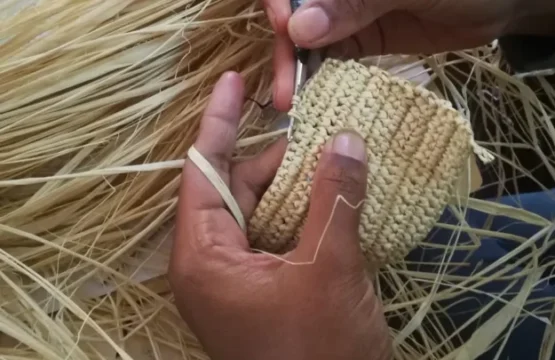
Natural materials are central to Moroccan homeware. Artisans carve wood into bowls, stools, chairs and decorative objects. Leatherworkers create bags, poufs and accessories, while raffia, wicker and doum palm leaves are woven into baskets, lampshades and storage pieces.
Natural fibers can vary in tone and texture. Keep woven pieces away from excessive moisture, and condition genuine leather with a suitable product when necessary. These simple care habits help handcrafted objects age beautifully.
How to buy Moroccan handicrafts responsibly
- Read the full product description. Confirm the materials, dimensions, origin and intended use.
- Expect natural variation. Handmade pieces will not be perfectly identical.
- Ask questions. Request additional measurements or photographs when needed.
- Choose transparent sellers. Look for information about the artisan, workshop or production process.
- Buy for longevity. Select useful, durable pieces that you will enjoy for years.
Supporting Moroccan artisans
UNESCO describes traditional craftsmanship as one of the most tangible expressions of intangible cultural heritage. Supporting skilled makers helps preserve knowledge that is transmitted through families, workshops and communities.
Arabastta connects customers with Moroccan products offered by artisans and independent sellers. Our goal is to make authentic craftsmanship easier to discover while giving each piece the context it deserves.
Frequently asked questions
Are handmade Moroccan products identical?
No. Small differences in color, texture, shape and measurement are normal and help confirm the handmade nature of an item.
How should I care for a Moroccan wool rug?
Vacuum gently without a rotating brush, treat spills promptly and use a cleaner experienced with handmade wool textiles for deep cleaning.
Can Moroccan handicrafts work in a modern interior?
Yes. A single rug, woven lamp, ceramic bowl or artisan chair can add warmth and texture without overwhelming a contemporary room.
Where can I discover authentic Moroccan artisan products?
Visit the Arabastta shop to explore rugs, pottery, glassware, wood, leather, raffia and home décor from Moroccan sellers.
Further reading: Moroccan traditional craftsmanship from the Moroccan National Tourist Office, and UNESCO’s overview of traditional craftsmanship.