
- Empty cart.
- Continue Shopping

How to Tell if Moroccan Handicrafts Are Authentic: A Complete Buyer’s Guide
- Posted on
 arab
arab- 0
- Categories: Non classé

Moroccan handicrafts are admired worldwide for their beauty, cultural heritage, and exceptional craftsmanship. Unfortunately, the growing popularity of Moroccan décor has also led to an increase in factory-made products being sold as “handmade.”
Whether you’re looking for a Beldi glass, a handwoven basket, a leather pouf, a Berber rug, or handcrafted wooden furniture, knowing how to recognize authentic Moroccan handicrafts ensures you’re investing in quality while supporting the talented artisans who keep these centuries-old traditions alive.
In this guide, we’ll show you exactly how to identify genuine Moroccan handmade products.
1. Every Handmade Piece Has Small Imperfections
One of the easiest ways to identify authentic Moroccan handicrafts is to look for slight variations.
Handmade products are never perfectly identical. Small differences in shape, color, texture, or finish are signs that a skilled artisan created the piece by hand rather than a machine producing thousands of identical copies.
Examples include:
- Tiny bubbles inside handmade Beldi glass
- Slight differences in woven patterns
- Natural wood grain variations
- Hand-painted pottery with subtle brushstroke differences
These unique characteristics add charm and authenticity.
2. Learn About the Materials
Traditional Moroccan artisans work with natural, locally sourced materials.
Depending on the craft, authentic products often include:
- Recycled glass
- Walnut, cedar, olive, or thuya wood
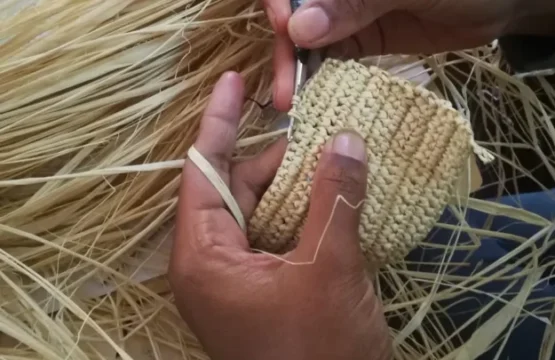
- Natural raffia and palm leaves
- Genuine leather
- Clay and natural pigments
- Wool and cotton
Be cautious of products made entirely from plastic, synthetic fibers, or low-quality composite materials while being advertised as traditional handmade crafts.
3. Understand the Traditional Craftsmanship
Authentic Moroccan handicrafts require time and expertise.
For example:
Beldi Glass
Each glass is mouth-blown using recycled glass, making every piece unique.
Moroccan Rugs
Many rugs are handwoven over several weeks or even months using traditional techniques passed down through generations.
Wooden Furniture
Artisans carefully shape, sand, assemble, and finish each piece by hand, preserving the natural beauty of the wood.
Pottery
Each item is shaped, dried, fired, and often hand-painted before it is ready to use.
If a seller claims handmade production but offers thousands of identical items with extremely short production times, it’s worth asking more questions.
4. Ask About the Artisan
A trustworthy seller should be able to explain:
- Who made the product
- Where it was crafted
- Which region of Morocco it comes from
- Which traditional techniques were used
Knowing the story behind a product adds value and helps preserve Morocco’s rich artisan heritage.
5. Look Beyond the Lowest Price
Authentic handmade products require hours—or even days—of skilled work.
If a product is significantly cheaper than similar handmade items, it may be:
- Factory-produced
- Machine-made
- Imported and only marketed as Moroccan
- Made with lower-quality materials
While handmade products may cost more initially, they often last much longer and provide far greater value over time.
6. Check Product Photos Carefully
Quality sellers provide clear images that show:
- Close-up craftsmanship
- Material textures
- Different viewing angles
- Natural lighting
- Real products instead of heavily edited stock images
Look closely at details such as weaving, carving, stitching, or glass textures.
7. Read Customer Reviews
Reviews often reveal valuable information about:
- Product quality
- Packaging
- Durability
- Accuracy of photos
- Customer satisfaction
Pay special attention to reviews that include customer photos, as they provide a more realistic view of the product.
8. Support Sellers Who Work Directly with Artisans
Buying from businesses that collaborate directly with Moroccan artisans helps:
- Preserve traditional craftsmanship
- Create sustainable income for artisan families
- Encourage fair working practices
- Keep centuries-old skills alive
Choosing authentic products is not only about quality—it’s also about supporting the people behind each creation.
Why Authentic Moroccan Handicrafts Are Worth It
Authentic handmade pieces offer much more than decoration.
They represent:
- Centuries of cultural heritage
- Sustainable craftsmanship
- Exceptional durability
- Unique character
- Ethical purchasing
- Timeless design
Every handmade piece tells a story that no factory-produced item can replicate.
Discover Authentic Moroccan Handicrafts at Arabastta
At Arabastta, we work directly with skilled Moroccan artisans to offer carefully crafted products that celebrate Morocco’s rich artistic traditions.
Our collections include:
- Handmade Beldi Glasses
- Wooden Furniture
- Raffia Baskets
- Moroccan Rugs
- Handmade Pottery
- Leather Goods
- Home Décor
Each product reflects authentic craftsmanship, traditional techniques, and the dedication of the artisan who created it.
Explore our collection and bring genuine Moroccan craftsmanship into your home.
👉 Shop Authentic Moroccan Handicrafts: https://arabastta.com
Frequently Asked Questions
Are all Moroccan handicrafts handmade?
No. While Morocco is famous for handmade crafts, some products sold online are factory-made or mass-produced. Always research the seller and the product before purchasing.
Why are handmade Moroccan products unique?
Because every item is individually crafted, slight differences in size, color, texture, or finish make each piece one of a kind.
Are handmade imperfections a defect?
Not at all. Small imperfections are often the best indication that a product was made by hand rather than by machine.
Why are authentic Moroccan handicrafts more expensive?
Handmade products require skilled labor, high-quality natural materials, and significant production time, making them more valuable than mass-produced alternatives.
Where can I buy authentic Moroccan handicrafts online?
Choose trusted sellers who work directly with artisans, provide detailed product information, and share the story behind each handmade creation—like Arabastta.